Deep bases gain their keep when near-surface dirts can easily certainly not carry the payload. Theoretically, helical piles, resistance heaps, and also micropiles can all deliver capability. In the business, the right choice relies on what exists below, exactly how it varies around the site, as well as exactly how the structure asks for that load be actually managed in time. Soil investigation is actually the filter that transforms a catalog of options into a functional layout. Skip the homework and you jeopardize heaps that twist out early, negotiation that turns up after the occupants move in, or installment costs that spin when the crew hits a challenging layer no one anticipated.
This overview distills just how to plan as well as interpret dirt inspections that update helical pile and also resistance pile decisions for commercial foundation repair and brand new building and construction. It employs the designs observed throughout clay basins, split stuffing, frosty tills, coastal sands, and the periodic concern little one like retractable loess or karst. I focus on the concerns that matter to developers and also professionals that live with the effects, including scenarios where commercial micro pile installation or commercial helical pile installation is the ideal answer, and others where commercial resistance pile installation or helical tieback anchors carry the day.
The major three: stratigraphy, stamina, and variability
Pile assortment trips on 3 pillars. To begin with, stratigraphy, the sequence of levels and also their thicknesses. Second, strength and also stiffness, which regulate ability as well as settlement. Third, variability, both upright as well as lateral. You require sufficient depiction to confidently attack a bearing stratum or even activate ample skin layer rubbing in a repeatable means. For helical piles and helical anchors, incorporate a 4th variable, torque relationship, given that installation torque is actually made use of as a real-time proxy for capacity.
A soil profile that appears neat on a single log can easily still deceive. In metropolitan backfill, clay-based lenses wedge out over tens of feets. In river terraces, dense gravel pockets disrupt well-maintained sands. The investigation does certainly not must splurge, yet it needs to deal with the selections you need to have to make: helix size and arrangement, stack kind and also dimension, tip elevation, rust security, as well as installment tools requirements.
Choosing exploration techniques that match the website and also the questions
For tiny industrial work, a pair of borings along with Conventional Infiltration Exams (SPT) may fasten the program. On much larger or additional changeable sites, you acquire confidence along with additional borings, Conoid Infiltration Testing (CPT), and selective tasting for laboratory examinations. The mix depends on the ground regime.
SPT borings deliver continual soil summaries and also draft matters. They additionally provide you samples for lab testing and also for validating whether that "very dense sand" is actually a soft sand gravel along with cobbles that may chew up coil plates. That mentioned, SPT is raucous in gravelly dirts, as well as draft counts can easily stage in dense levels where CPT shines. CPT helical pile foundations delivers continual pointer resistance, sleeve friction, and also often pore stress. The continual profile page is actually indispensable for helical pile style since helices require to birth in attire, suitable soils instead of linking a soft lens.
If you suspect gentle clay-baseds or even organics, Shelby tube samples are worth the strategies. Unconfined compressive strength and Atterberg limitations give you mark buildings and undrained toughness, which matter for temporary development loads as well as uplift situations. In sands as well as silts listed below the groundwater level, waste examinations in CPT can easily clear up whether you are actually taking care of contractive sands vulnerable to liquefaction, which definitely affects heap kind and uplift points to consider. For jobs with sidewise tons needs or even organized helical tieback anchor setup, receive enough records to specify p-y contours with assurance, whether by means of in-situ exams, connections, or a blend.
An experienced team will definitely likewise scout obstructions. Ground-penetrating radar or even power locates capture huge powers, but the monotonous logs inform you whether there are manmade loaded with block, ballast, or even slag, which can thwart helical piles or even necessitate pre-drilling. In past commercial plots, I have actually observed steel bits in fill cease a helical within pair of feets. The backup planning is actually pre-drilling or shifting to driven steel resistance piles in the obstructed zone.
What the logs must explanation for helical piles
Helical stacks as well as helical anchors transform twist to axial capacity, led by connections between installation twist and also greatest resistance. Those correlations assume the coil overlays breakthrough right into dirts that shear predictably. If you park a helix all over a soft lens and a thick lens, twist readings become raucous. That is not a simple instrumentation concern, it mirrors irregular capacity along the helix stack.
The boring and CPT data should tell you 3 factors along with enough resolution to establish the coil geometry:
- The deepness to a continuous, experienced bearing stratum that can suit the helix sizes considered. For easy to moderate tons, that may be average heavy to thick sand or stiff to really strong clay-based. For greater loads, the intended might be actually thick sand and also gravel or weathered rock. The key is connection. A lean, hardpan layer over soft clay is a snare, as the helix may post partially on the hardpan as well as partially in the clay. The thickness of unacceptable coatings that must be actually gotten rid of to prevent damaging skin layer friction and downdrag where it would damage efficiency. For instance, compressible organics and also loose silts ought to be actually bypassed so the coil plates bear deep sufficient to lessen negotiation from in season humidity or even additional charge changes. Groundwater deepness and also seasonal variation. Uplift capacity in sands feels to concentration, as well as torque analyses can easily move along with pore pressure. If groundwater rests at 5 to 8 feet however goes seasonally, prepare for the moist condition.
Torque-to-capacity aspects (Kt) variety generally from 8 to 12 in lots of sands and clay-baseds when utilizing inch-pound torque systems every feet of shaft place similarity. That assortment is actually not a license to guess. Use previous neighborhood tasks and also bunch test records from the same installer when possible. On a distribution center in frosty till, our determined Kt was closer to 7 because of crushed rock and also cobbles that boosted twist without corresponding central capability. Without the previous lots exams, we will possess underpredicted the number of stacks needed through roughly twenty percent.
What the logs should answer for protection heaps and micropiles
Resistance stacks, consisting of steel press piers for commercial foundation stabilization, rely on jacking versus the property as well as propelling end bearing or even rubbing till refusal. Their performance hinges on finding a layer along with sufficient capacity to take the tons without extreme resolution. The dirts course ought to map the deepness to refusal and also the variability throughout the impact. If you prepare commercial resistance pile installation beneath a slab-on-grade along with bad accessibility, you likewise need to recognize whether the press road includes obstructions like debris levels, because those can bogus a very early "refusal" and also result in underperforming piles.
Micropiles accept much more. With micro pile or even micropile installation, you can easily punch with cobbles, fragments, and also also weather-beaten rock, then grout connect right into qualified strata. The tradeoff is actually expense and the demand for grout quality assurance. Ground information should define the bond zone and also the expected drilling electricity. In very loose sands below the water table, make arrangements for examining or drill liquid to stop caving. In delicate clay-baseds, account for sidewall leisure which lowers connect unless you utilize tension grouting. For higher seismic areas along with liquefiable levels, a micropile's efficiency depends on grouted bond listed below the liquefiable horizon, which the CPT and also laboratory data must delineate.
Integrating construct needs: central, uplift, and also lateral
The dirt investigation is only half the tale. Load option is a handshake in between ground as well as structure. For commercial foundation repair as well as structural foundation repair, inquire 3 concerns beforehand. First, are actually lots initially central squeezing with moderate uplift, like for column retrofits, or even exists considerable uplift as well as sidewise need as in cover pillars or even keeping wall structures? Second, what are the tolerable negotiations, both overall and differential? Third, how will certainly loads be actually offered: braces on existing footings, brand-new pile caps, or even tieback anchors by means of walls?
Helical heaps often shine where uplift matters. Helix geometry provides reliable flexible resistance without long embedment. Helical tieback anchors operate properly in overconsolidated clays as well as heavy sands behind basement walls and earth-retaining frameworks. If the geography recommends loosened loads or coarse-grained dirts with a perched groundwater level, proof testing of tieback anchors ends up being important. For lateral lots, helical piles along with bigger bars or even damaged arrangements can easily assist, yet the soil p-y reaction regulates. In gentle clays, lateral ability is actually low unless you push much deeper or even improve spacing to propel additional soil.
Resistance piles, particularly driven steel pipeline or H-piles, offer reputable compression in heavy levels and also can be reduced to do work in strict retrofits. They are less dependable in uplift unless you include hats or even utilize tension-only components. Micropiles could be created for mixed central as well as instant ability when canvassed through inadequate grounds and also adhered right into rock or even thick coatings, making all of them a go-to for seismic retrofits of existing pillars where the geometry is constrained.
Corrosion and longevity judgments
Subsurface chemical make up alters the calculus. If resistivity falls below roughly 2,000 ohm-cm and sulfates or even chlorides manage high, plan for deterioration defense. For helical piles as well as helical anchors, that might indicate hot-dip galvanizing, thicker wall structure rays, and even cathodic protection for crucial designs. For micropiles, the cement cover and, if needed, epoxy-coated or stainless steel support mitigate threat. The inspection ought to include a minimum of a basic corrosion collection: pH, resistivity, sulfides, chlorides, and also sulfate information on representative samples, plus groundwater if present.
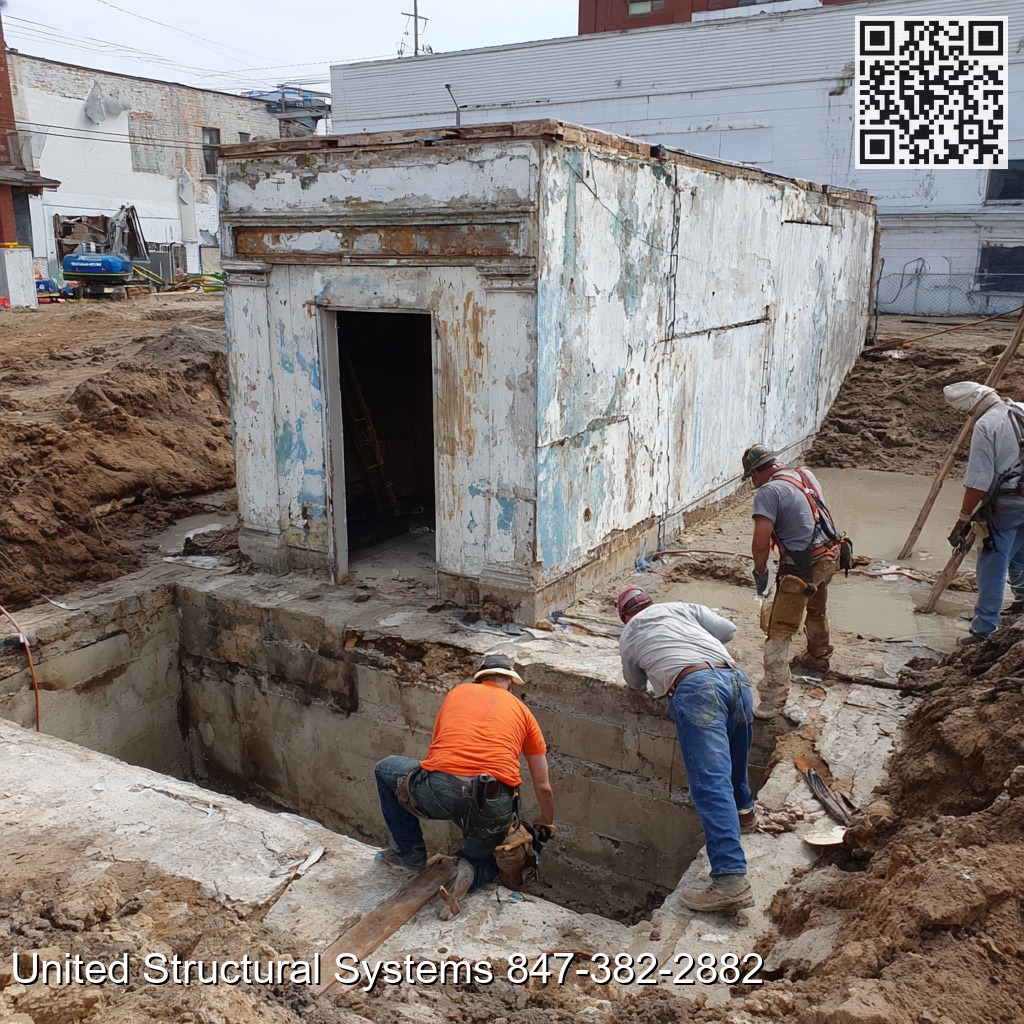
One example: on a seaside commercial foundation repair where brine penetrated a superficial sand lens, standard galvanization on helical piles would have been actually marginal for a 50-year service life. The soil records brought in the instance for duplex units on the shafts as well as stainless components above level. That choice sets you back even more up-front, however it stops mid-life remediation that interrupts operations.
Settlement: not just carrying capacity
Capacity examinations perform not end the tale. Several commercial properties can easily tolerate simply about 0.5 to 1 inch of overall negotiation and also 0.25 to 0.5 in differential across typical pillar spacing. If soil rigidity is low in the upper strata, long stacks that terminate deep may still view bunch shedding, especially under continual company lots or even moisture adjustments. Swelling clays complicate issues. The examination should identify plasticity marks and also suction actions where extensive grounds are actually suspected. If screening reveals high masterpiece clays in the uppermost 10 to 15 feet, think about sleeving helical piles by means of the energetic region or even utilizing micropiles with seclusion sleeves to decouple motion. For resistance piles in reactive clays, founding brackets have to also be actually outlined to stay clear of uplift on the property throughout in season heave.
On a mid-rise health care workplace retrofit, CPT revealed a gentle clay shell over tight clay-based at regarding 18 feet. Helical piles mounted along with two coils at 10 as well as 12 inches carried out effectively in squeezing exams, yet the settlement analysis flagged possible periodic action in the upper crust. Our company revised to a three-helix arrangement along with the most affordable helix at 22 feets to push the neutral airplane listed below the energetic zone. That small change maintained lasting vertical motions within 0.25 inch around the bay.
When to choose helical piles
Helical heaps provide fast setup along with minimal resonance, a primary conveniences for indoor retrofits and also limited city web sites. They excel when the soil profile page includes skilled sands or tense clays within 15 to 40 feet, when uplift resistance is actually needed, and also when installment twist can be dependably connected to capacity. The equipment footprint is actually little, and workers may perform commercial helical pile installation with doorways and also inside active facilities.
Their limits appear in cobbles, stones, and rubble packs where torque spikes without correct capacity increase. Slim difficult lens interbedded along with delicate layers likewise make complex functionality, as helices may chair in a lens that lacks sidewise constancy. Pre-drilling may take care of blockages but erodes the torque-capacity connection as well as incorporates expense. For high lots over, state, 100 to 150 kips every pile in tough dirts, helicals may get wasteful matched up to micropiles or driven solutions.
When resistance piles bring in even more sense
Resistance stacks as well as driven water pipes piles lug considerable squeezing loads and work properly where a difficult bearing stratum exists at manageable deepness. In underpinning requests for commercial foundation stabilization, hoisted steel stacks involve swiftly, make use of the property as response, as well as give a tangible gauge of capacity via mounting tension and movement. They do certainly not require the same twist connection and also can easily infiltrate fills that irritate helicals. If the structural setup enables a clean lots course into the underpinning braces, commercial resistance pile installation can easily minimize schedules.
Their weaknesses include uplift inefficiency and the risk of untrue rejection in particles. The geology needs to direct contingency, such as pre-drilling via understood filler layers or changing to a small-diameter centric water pipes. Sound and vibration can be issues near delicate procedures. In very soft accounts with no clear bearing layer, protection heaps may chase deepness, pressing the economics towards micropiles.
Where micropiles are the right tool
Micropiles gain in 3 states: deep-seated or even erratic proficient strata, blockages and also crushed rocks, as well as higher combined bunches where stiffness issues. They can be mounted along with low-clearance gears for internal job. With stress grouting as well as appropriate bond duration, a micro pile can easily supply higher central capacity and good seismic functionality. Coring through survived stone or even old structures is actually regimen work with professional staffs. For projects where helical piles would require 3 or even four coils and still fight cobbles, or even where protection heaps can easily certainly not locate clear rejection, a micro pile plan pays for on its own in reliability.
The tradeoffs are price, grout QC, and also schedule. Expect to check cement strength, display loudness and pressures, and also verification test an amount of stacks. Where groundwater circulations, attention to inspecting seals and tremie approaches avoids washout as well as gaps. When the dirt examination shows adjustable layers of fill, sand, and clay-based over thick glacial till at 35 to 45 feet, micro pile assortment usually steers clear of change orders throughout installation.
Designing the examination plan around heap decisions
Start with the selection tree. If the project leans toward helical piles with feasible helical tieback anchors, planning CPT soundings throughout the footprint at a spacing that catches side modifications. Incorporate a few SPT borings with sampling for index tests as well as oxidation. If protection heaps or micropiles are likely opponents, consist of borings that get to rejection or even the awaited connection region, and at least one uninteresting every unique building wing or bunch area.
I pursue adequate information to with certainty establish stack suggestion altitudes as well as helix stacks with a protection frame of regarding 5 feet for helical piles, as well as to size connect zones for micropiles with validated grout homes. For tieback anchors in keeping job or even basement wall surfaces, test at least a couple of sacrificial supports in the regulating materials to adjust style abrasion in the business. Where foundation crack repair accompanies reinforcement, inspect whether differential wetness or even plumbing system water leaks developed local conditioning; one boring next to a gap as well as one in an untouched location can expose the differential disorders steering the distress.
Quality management throughout installment, linked back to the soil model
Good ground data improves the plan, yet field QC links the loophole. For helical piles, record torque versus intensity in one-foot increases, and flag locations where twist spikes all of a sudden. If you see twist plateauing at market values beneath the intended but the dirt version predicted higher, look at shifting coil setup or raising to the following experienced coating. Bunch testing a subset, even two to three heaps, pays dividends when tons are crucial or even soil irregularity is actually higher. The exam leads refine the Kt element for the site.
For resistance piles, document jacking stress, stroke versus load, as well as refusal requirements. If stress increase greatly in a superficial layer that soil logs secured as junk filler, pre-drill the upcoming location to prevent false rejection. For micropiles, keep track of boring power, grout volumes, and also refusal signs. Proof-test at understanding helical piers least 5 per-cent of stacks where feasible. Coupling installment records with the dirt logs produces an as-built geotechnical narrative that details efficiency if concerns occur later.
Edge scenarios worth anticipating
Collapsible grounds such as loess can easily amaze helical piles. Torque looks sufficient in a dry, metastable state, thus drops after damping, which decreases ability and also may induce settlement. Here, intention listed below the collapsible zone as well as consider post-installation wetting exams on propitiatory stacks. Connections from dry installation can easily mislead.
Karst as well as vacated rock challenge every stack type. Micropiles with pressure-grouted bonded zones and also larger housings can reach cavities, yet you should determine the deepness and also sidewise extent, which may need geophysics or extra borings.
Expansive clays are entitled to sleeves on helical shafts as well as information interest to brackets for protection piles so the building keeps neutral through heave patterns. If testing yields higher specialty and suction potential, you can easily specify seclusion sleeves that lessen shaft adherence in the active region and change bunch move deeper.
Liquefiable sands alter uplift as well as sidewise performance. In these areas, helicals might demand much deeper embedment or larger coil diameters, and also tiebacks must anchor below the liquefiable coating. Micropiles bound in heavy sand or stone below the crucial intensity offer a more robust bottom for deep foundation repair in seismic regions.
Practical budgeting and also phasing
A tiny commercial project might get along with a couple of borings at 25 to 40 feet and one CPT, plus limited lab tests. Larger impacts or even variable filler justify a network of CPTs and three to six borings to fifty to 80 feets. Budget on the order of 1 to 2 percent of foundation expense for subsurface exploration and also testing, though website disorders might push that much higher. That portion is economical insurance against change purchases during the course of commercial helical pile installation or commercial resistance pile installation, especially where gain access to is minimal as well as recovery time is costly.
Phase the plan. Initial borings and CPTs prepared the idea. If you expect helical tieback anchor installation, feature very early pullout examinations. If micropiles reside in play, pierce a couple of aviator examination stacks and also load examination to verify connect stress and anxiety beliefs prior to complete manufacturing. Deliver the installer right into the preconstruction meeting to settle on requirements for shifting techniques when conditions diverge from the logs.
Repair circumstances: connecting splits to soils
Foundation split fixing usually takes our team to a property years after development, along with minimal as-builts and also a mix of folklore as well as finding. Soils screening can easily separate plumbing-related conditioning, seasonal shrink-swell, and lasting loan consolidation. A crack pattern that broadens on top near sections may point to resolution in the boundary bearing under a downspout settlement. In that situation, shallow soil remodeling as well as water drainage can aid, however redoed activities suggest deriving along with helical piles or even protection stacks to develop a stable bearing. If interior columns have resolved, as well as the dirt logs show compressible sand lenses under the slab, micropiles threaded by means of primary gaps give a clean structural foundation repair pathway without massive demolition.
Tiebacks enter into play where basement walls accept from side dirt bunches or hydrostatic tension. Before specifying helical tieback anchors or various other tieback anchors, test a couple of probes in the backfill and also native ground behind the wall surface. If you locate loosened backfill that stretches deep, longer supports or even a change to deadman supports beyond the zone of effect might be actually important. Supports mounted in to thick sand or even tight clay-based behind the active wedge carry out dependably and also may be tons validated during the course of installation.
Bringing it with each other: a decision framework that recognizes the ground
The very most prosperous jobs go through the ground as well as decide on a technique that teams up with it instead of versus it. Helical piles are prompt and stylish in ideal grounds, specifically when uplift as well as low disturbance matter. Resistance heaps deliver sturdy squeezing to rejection with marginal website disruption when a capable level is within reach. Micropiles conform to hurdles and also intensity, providing higher capabilities where the profile page demands it. Helical anchors and also helical tiebacks offer effective side as well as flexible resistance when fastened in the right materials.
None of these choices must be created in a suction. A slim, well-aimed soil examination anchors the choice. It clarifies the bearing perspectives, the active wetness zone, the corrosivity, and the irregularity that may pump up prices if found too late. Set that with installation QC as well as, when warranted, a handful of lots examinations. The outcome is certainly not just a stack that supports a number abstractly, yet a groundwork answer that matches the web site, the building, as well as the facts of construction.
 Ask ChatGPT
 Ask Grok
 Ask Perplexity
 Ask Claude
 Ask Google AI
 Ask You