Lateral powers perform not reveal themselves with excitement. They show up as a sluggish head in a basement wall structure, an understated drift at the top of a bordered bay, or even a hairline gap that extends after a massive storm. Gradually, those small signs and symptoms helical piles foundation systems amount to serviceability complications as well as, in awful scenarios, a reduction of architectural integrity. Tieback anchors as well as their helical cousins address that trouble at the source. They involve steady dirt or rock outside the breakdown region and pull a structure back right into balance. When developed and mounted accurately, they are actually quiet performers that prolong the life of maintaining systems, basement wall surfaces, and entire buildings.
I have viewed tiebacks rescue aging industrial buildings where street growths pressed brand-new lots into aged structures, as well as where excavation for a bordering project left behind a wall structure unbraced. The popular string in prosperous results was actually certainly not a specific item however good judgment in ground analysis, mindful lots testing, as well as practical desires regarding rigidity and also movement.
Where side stability fails
Commercial designs deal with side bunches from earth pressure, surcharge coming from adjacent sidewalks and also web traffic, hydrostatic stress, wind on below-grade walls in partially open garages, and occasionally seismic drinking. The absolute most usual perpetrators are out of balance backfill as well as groundwater. On a five-story lodging I noticed in the Midwest, the reduced auto parking level wall had been actually poured versus a granular backfill positioned as well promptly after the wall cured. Small horizontal fractures seemed at the reduced third of the wall within a year. Reports indicated overstress coming from side pressure and also insufficient link of the wall surface to the slab diaphragm. The repair service rotated on helical tieback anchor installation mixed with fracture shot and a better drainage pathway, certainly not a thicker wall.
The natural science is simple. Ground applies side stress that improves with depth. If the withstanding body, usually a wall surface fixed at foundation and also restrained on top, can easily certainly not respond to the minute, the wall structure deflects. That deflection redistributes stress and also can soothe need quite, once gaps create and also water finds a pathway, deterioration accelerates. Tieback anchors step in by holding tensile bunch into more powerful material further coming from the wall surface, which lessens bending in the wall and also hats deflection.
What a tieback anchor does
A tieback anchor is actually a stress aspect mounted with a construct, typically at a down slant, to move payload coming from the design to the ground or stone mass behind the active block. The support has 3 important parts: the connection zone installed in seasoned strata, a free of cost size that flexes elastically to enable tensioning, and a head that attaches to the construct. When preloaded, the support creates a supporting pressure that counters active helical pile foundations the planet tension. The support performs not do away with tension, it bypasses the vulnerable wall by connecting it to a much more trustworthy load path in the ground.
Helical tieback anchors make use of helices bonded to a central shaft to generate ability as they are oppressed in to the dirt. The installation torque correlates to capability, which gives prompt reviews. Grouted tiebacks cultivate ability by building to the soil by means of cementitious cement. Both systems have a duty. Helical anchors excel in granular or logical soils where twist may be cultivated as well as propelled promptly, and also they beam when gain access to and also resonance restrictions are actually tight. Grouted tiebacks typically make sense in sands and also crushed rocks at depth or when a rock bond region is needed.
When helical tiebacks are the best tool
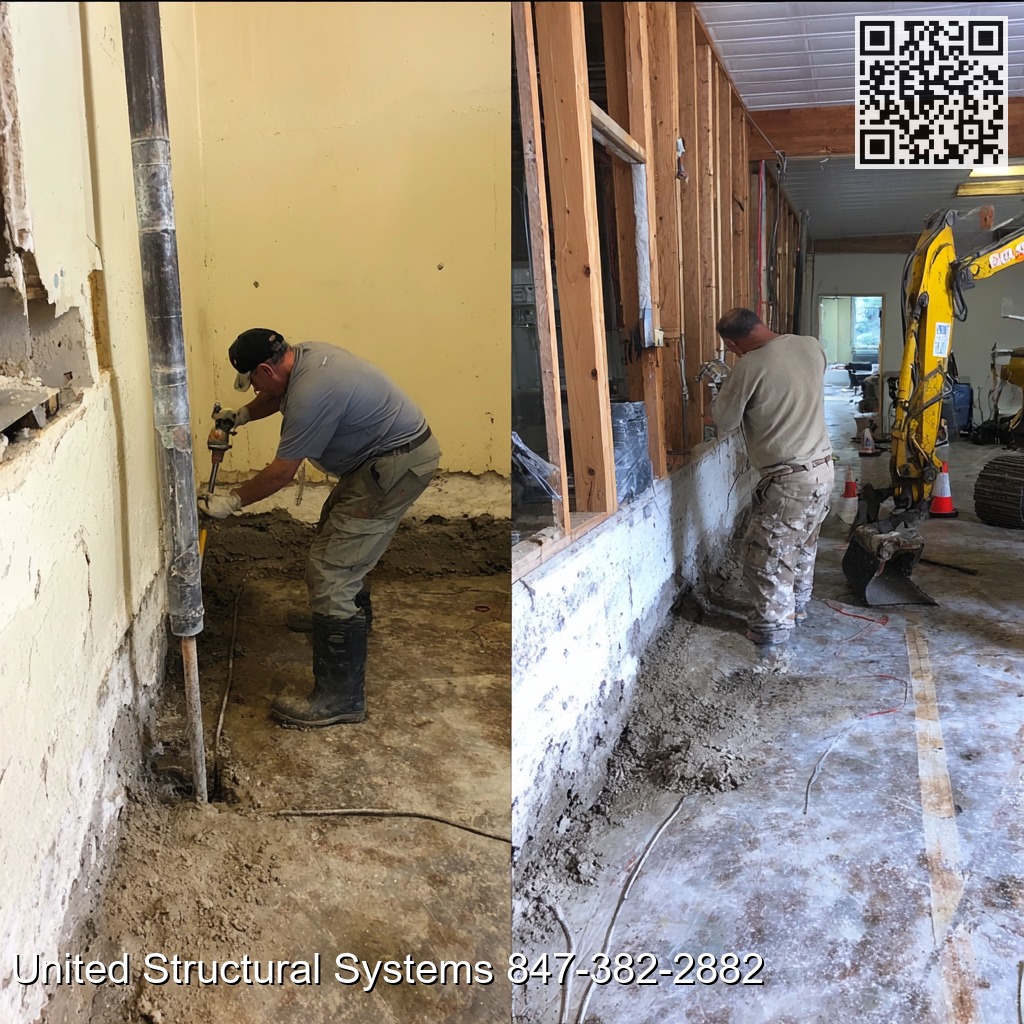
On infill sites along with poor accessibility, helical tieback anchor installation could be executed with reasonably small, low-clearance tools. A knowledgeable crew can mount supports from inside a structure without eliminating slabs. At a distribution center in New Jersey, we maintained a 140-foot stretch of bowed foundation wall surface without interrupting procedures. Supports were put in coming from the interior, angled below pallet racks, as well as tensioned versus brand-new waler beam of lights at the wall surface skin. The helical tiebacks joined a perimeter drainpipe reduced hydrostatic pressure as well as offered the wall a reputable counterforce.
Helical anchors also operate well when the timetable can not suit cement cure times. The correlation in between torque and ability permits proof filling the very same day. For emergency situation commercial foundation stabilization, that speed issues. If a wall structure is actually relocating and also you need to have to halt advancement before the next rainfall, helical tiebacks might be the distinction between a repair as well as a rebuild.
Edge cases exist. Thick rocks along with cobbles may disperse helices, causing jagged alignment or even refusal. Because instance, switching over to a bored micropile-style tieback along with cement makes sense. Organic soils and land fill particles are actually one more red flag. You need to bypass undependable layers to find a competent bond area, occasionally at better sizes than originally organized. That is where preconstruction exam anchors make their keep.
How tiebacks exchange with deep groundwork systems
Lateral stablizing is hardly standalone. It ties into various other base tactics. A contemporary commercial residential property could combine commercial helical pile installation for upright assistance with helical tieback anchors for lateral security. I have actually additionally found micropiles lug gravitational force bunches while helical anchors dealt with overturning at a tall preserving wall. Micropiles and also protection stacks are actually outstanding for upright bunch transactions through unsatisfactory dirts to stone or heavy strata, yet in pure strain sideways they have limitations unless ruined or secured along with a strong connect zone.
Consider a retail box store improved soft clay-baseds over weathered shale. The columns were assisted by micropiles, 2 every column, installed to stone. The rear launching dock called for a 16-foot cut with a soldier pile wall structure. The layout used helical tieback anchors for the wall surface, side to side supporting the unit without transmitting sizable tons back in to the slab. That splitting up of parts kept the construct tidy, and potential slab fixings would not intimidate side reliability. Micropile installation and tieback anchors, when collaborated, allow mobile repair and maintenance.
Commercial resistance pile installation, sometimes called press boat docks, can easily additionally locate a location. While resistance piles radiate in structural foundation repair for resolution, they are certainly not generally utilized as major sidewise aspects unless blended along with walers and also supporting. In deep foundation repair, I check out resistance heaps for upright adjustment and helical tiebacks or even grouted anchors for wall restraint. Mixing bodies is actually certainly not replication, it is actually department of labor.
Diagnosing sidewise hardship before opting for anchors
Foundations that require tiebacks typically reveal very early signals: straight fractures near mid-height, diagonal splits at edges, protruding of brickwork systems, or even spalling where rebar has worn away coming from water seepage. Prior to any commercial foundation repair, map the crack pattern and also take a couple of altitude shots with a laser around the wall structure. If the deflection is actually focused at the facility of a door, a tieback design along with closer space there may be actually warranted. If the best of wall surface was aimed as a birth control link yet the anchor screws are actually corroded or even missing out on, consider updating the relationship in tandem along with supports. Foundation crack repair by means of epoxy shot possesses the most ideal value after action quits, not before.
For below-grade wall structures, groundwater monitoring defines excellence. I have drawn on wonderfully put up tiebacks that did their task while water remained to drive via cold joints and also splits. The wall structure kept ethical, but the area kept moist and also unhealthful. French drains pipes, weeps, as well as favorable drainage far from the wall surface reduce the line-of-defense job that tiebacks are actually forced to carry out. If hydrostatic tension is higher, plan for drains and septic tank capability in the exact same breathing spell as anchors.
Design factors that bring in or even break performance
Tieback style rests on dependable ground records as well as practical tons models. A rule of thumb: if you are actually relying on thought dirt criteria from a paper across town, you have unlocked to callbacks. Take a few borings or even conoid seepage tests along the wall alignment. Find the acumen to steady material and the presence of levels that could possibly sneak under sustained lots. Silts that appeal agency on beginning might kick back under lasting stress. When using helical anchors, keep track of installation torque every feet to determine feeble seams.
Anchor geometry is actually more than a diagram. The angle of installment, generally 10 to 25 degrees below parallel, affects disengagement efficiency as well as the risk of facing utilities. The bond area size, whether grouted or determined through helical layer stack, need to totally create ability. In helical tiebacks, the lead setup matters: several helices spaced three diameters apart on the shaft reduce team interaction and strengthen payload circulation. For grouted tiebacks, gap diameter and also grout stamina define the connect ability, however therefore carries out boring procedure. Excessively hostile drilling may smear the borehole in clay-baseds as well as reduce bond.
Load screening is non-negotiable. I favor a system that includes a minimum of one performance exam to failing or even 1.5 times concept bunch, and evidence exams on creation supports to 1.25 opportunities concept tons. Maintain a certain eye on creep under continual lots. A simple criterion, like less than 1/8 in movement in 10 moments at maximum test tons, provides a sanity examination. If a support creeps, reassess the connection region or even button to a various system.
Head particulars matter as high as the dirt. A tieback head normally bears on a waler, often steel stations or even broad lip, that spreads the factor load right into the wall structure. Poor waler fit leads to squashing or even anxiety concentrations as well as may telegram as brand-new cracks. On a brick-infill wall structure, plates or even channels supported through cement may relax the interface. For cast-in-place concrete, coring a neat hole and also making use of a hot-dipped driven platter with a recessed nut maintains upkeep straightforward and also corrosion in check.
Installation truths on office jobs
Commercial helical tieback anchor installment is successful when workers recognize the building as well as the neighbors. Anchors installed coming from internal areas need security for coatings and also dirt command. Fit-for-purpose devices, often a twist motor positioned on a mini-excavator or skid-steer, needs to have adequate room to create twist without hopping off a row line. Where space is cramping, hand-held hydraulic units may put up smaller-diameter helical anchors, but you trade rate and capacity.
On a hospital retrofit, our setup window ranged from 9 p.m. to 5 a.m. to avoid hindering image resolution suites. We sequenced anchors in order that just two nearby anchors were put in at a time, staying clear of short-lived loss of wall surface help. Pre-staging walers and equipment in the day lowered noise at night. The anchors were actually tensioned gradually, 25 per-cent to seating, 75 per-cent to method style, after that complete load after a quick requirement check. That stepwise method stays away from surprise loading a fragile wall.
For grouted tiebacks, the website needs to accommodate cement batching and pamper administration. In urban basements, that may be the constraint that pushes the choice toward helical anchors. Where grout is demanded for concept purposes, use a tremie pipe to place cement coming from all-time low up and keep track of profits. Overdrilling without canvassing invites crash and tainted connection areas in delicate soils. A little sheet listed here ends up being a repeating upkeep phone call later.
Integrating tiebacks along with other repairs
Tiebacks are actually one part of structural foundation repair. They partner normally along with deep foundation repair strategies utilized to take care of resolution or poor bearing. An usual sequence in commercial foundation stabilization appears like this: help gravitational force bunches with helical piles or even micropiles, brace lateral lots with tieback anchors, at that point handle wall structure health condition with fracture treatment, patching, as well as basement waterproofing. That purchase keeps positioning as well as lessens extra harm during repair.
When a wall structure has actually fractured, foundation crack repair through epoxy shot recovers structural constancy, however just after motion is actually handled. For wet walls, polyurethane fracture injection may cease leakages before epoxy repairs. In brickwork, carbon fiber straps may share duties with tiebacks to restrict protruding between supports. The key is recognizing what each aspect succeeds. Helical piles as well as resistance stacks handle upright lots, micropiles take care of upright load where stone is actually centered or even get access to is actually tough, helical tiebacks and grouted anchors manage sidewise tons, and also surface area repair work restore toughness and also watertightness.
Costs, schedules, and also what proprietors need to expect
Owners ask two concerns: How long will it take, and also how much will it cost? The honest solution is varies with contingencies. For a typical commercial helical tieback venture on a 100-foot wall structure with anchor spacing near 6 to 8 feet, anticipate 15 to twenty supports. With really good accessibility and sincere soils, a team can mount and pressure 6 to 10 helical tiebacks daily. That gives a pair of to four time setup home window plus use and also prep. Grouted supports take longer as a result of boring, case, as well as cement remedy, frequently a week or even more for similar scope.
Costs depend on size, capability, access, and also testing needs. Helical tieback pricing typically falls between mid 4 shapes to low 5 numbers per support for office environments, along with city tasks on the uppermost end. Grouted tiebacks may be comparable per support yet with greater internet site coordinations costs. What managers may count on: ventures that purchase effective investigation and also testing have far fewer modification orders. The most inexpensive support that fails a creep test is certainly not a bargain.
Common downfalls and how to prevent them
The very most recurring misstep is actually addressing tiebacks as a panacea without addressing water and water drainage. A wall surface limited by supports can easily still fall apart coming from caught moisture, freeze-thaw cycles, as well as deterioration. Another slipup is actually disregarding geometrical restrictions. Anchors can easily clash with powers, renter rooms, or potential diggings. On a mixed-use job, an uncoordinated tieback style disrupted a support lessee's planned elevator pit 2 years eventually, as well as numerous supports needed to be actually left and also replaced.
Overreliance on directory abilities without internet site confirmation also results in difficulty. I always keep a record of installment twist, examination bunches, and activities for every single anchor, not only the test supports. Design emerge. If torque drops all of a sudden in a region, probing even more. It may be a buried trench, a stuffing wallet, or even a soft seam. Adjusting instantly, along with the engineer engaged, always keeps the task on track.
Choosing between helical, resistance, as well as micropile systems
Engineers and professionals typically face a three-way option among helical piles, resistance stacks, and micropiles, especially when repair services demand both vertical as well as sidewise upgrades.
- Helical heaps and helical anchors: Ideal when access is confined, resonance should be actually marginal, and also immediate capability proof by means of torque is beneficial. They suit a variety of grounds however struggle in quite heavy rocks along with cobbles or even boulders. Resistance piles: Solid possibility for remedying settlement deal under existing grounds where gas jacks can drive piles to rejection versus the structure. They are mostly vertical elements, certainly not side, unless organized in battered sets or even used along with walers. Micropiles: Extremely flexible drilled-and-grouted components that function in strict spaces and via blockages, along with excellent efficiency to rock. They carry higher loads but entail additional tools and grout handling than helical systems.
That quick evaluation hides subtlety. The least schedule is actually not consistently the most affordable threat. An internet site with variable fill might argue for micropiles and grouted tiebacks even with the slower speed, considering that drilling as well as grouting may normalize the irregularity. On the other hand, in even clay along with dependable torque relationship, commercial helical pile installation together with helical tiebacks turnouts velocity, low disruption, and also clean documentation.
A quick field story
A waterside storage facility in the Southeast had a preserving wall surface that bent 2 ins over 12 feet of height, driving towards the inside. The wall backed up to a slender street along with powers laced by means of the right of way. Digging got out the table. Our company mapped powers, after that set a helical tieback pattern from the interior at 15 degrees below horizontal, targeting a sandy level at 18 to 24 feets where examination probings showed really good density. Walers were actually rolled steel channels fastened along with glue dowel pins right into the wall structure. We put up 22 supports over 3 nights, along with setup torques ranging from 5,500 to 7,000 foot-pounds, associating to design lots of 25 to 35 kips. Verification tests went efficiently, however 2 anchors showed higher-than-expected action at load. Dirt logs presented a slim residue lens at that elevation. Our experts expanded those pair of supports an additional 5 feets to record the much deeper sand and also retested. Activity fell to within criteria. 6 months after completion, the wall surface remained dependable, the gap sizes had actually certainly not developed, as well as the indoor room kept dry out after hurricanes because of a brand-new drain as well as sump.
That task improved a lesson I relearn on every project: the ground informs you what it are going to accept, not the other way around.
Quality command that pays out off
Documentation belongs to the work. For commercial jobs, maintain a total report: support I.d.s, areas, slants, durations, coil setups or connection lengths, installment twists or even cement volumes, exam tons, and motions. Photographs of heads and also walers after tensioning aid future staffs recognize the repair. Web site examiners and also developers must assess the 1st a number of anchors in person, at that point at rational milestones. These behaviors sound governmental up until the day a filling dock rooftop enhancement shifts surcharge onto a wall surface, as well as the manager seeks the original capacities and also variables of safety.
Corrosion security deserves focus. Hot-dipped galvanizing, epoxy coatings, double oxidation defense for grouted tiebacks with sheath, as well as suitable detailing at heads prolong life span. On seaside sites or even where de-icing sodiums appear, carry out not skimp. Point out the security system early so preparations perform certainly not endanger schedules.
Bringing it together
Tieback anchors are actually certainly not elegant, however they are truthful. They create a measurable commitment: apply a well-known counterforce where the structure needs it very most. When joined clever drain, compatible deep foundation repair components, and also reasonable describing, they give back control to proprietors and also resource managers that need to have structures to function every day. The very best outcomes arise from controlled design, straightforward screening, and also workers that appreciate both the structure and the ground. If a wall structure is accepting or even a cellar is tackling water, the ideal blend of helical tieback anchors, helical piles or even micropiles, and also uncomplicated foundation crack repair can turn a sluggish trouble right into a secure, predictable asset.
 Ask ChatGPT
 Ask Grok
 Ask Perplexity
 Ask Claude
 Ask Google AI
 Ask You